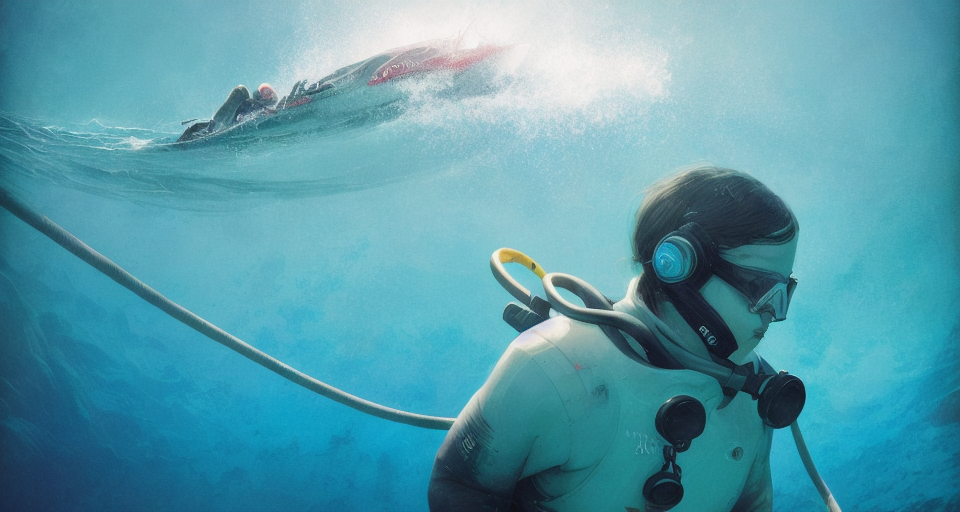

Scuba diving and snuba diving are both popular underwater activities that allow people to explore the beautiful and mysterious world beneath the surface of the water. However, there are some key differences between the two, and each has its own set of pros and cons. In this article, we will take a closer look at scuba diving and snuba diving, and compare the two to help you decide which one might be right for you.
Scuba Diving
Scuba diving is the more traditional and well-known form of underwater diving. It involves the use of a full set of diving equipment, including a tank of compressed air, a regulator to breathe through, and a buoyancy control device. This equipment allows divers to dive to greater depths and stay underwater for longer periods of time. Scuba diving is a versatile activity that can be done in a variety of environments, from deep ocean waters to freshwater lakes and rivers.
Scuba Diving PROS
One of the main pros of scuba diving is that it allows divers to explore deeper and more remote areas that would be inaccessible to snuba divers. Scuba diving also allows divers to stay underwater for longer periods of time, which can be great for taking photos or exploring a specific area in more detail. Additionally, scuba diving has a wide range of activities available such as technical diving, cave diving, deep diving and much more.
Scuba Diving CONS
However, there are also some cons to scuba diving. One of the biggest downsides is that it requires more training and experience to use the equipment safely. In order to scuba dive, you will need to complete a certification course, which can be time-consuming and expensive. Additionally, the equipment can be more expensive and bulky, which can make it less accessible for some people.

Snuba Diving
Snuba diving, on the other hand, is a shallower diving activity that does not require divers to wear tanks of compressed air. Instead, divers breathe through a regulator that is connected to a hose that is in turn connected to a floating air supply on the surface. This allows divers to stay underwater for shorter periods of time and to dive to shallower depths. Because snuba diving does not require as much training and experience as scuba diving, it is considered a beginner-level activity.
The word snuba derives from the words “snorkel” and “scuba.” If you are new to diving, you probably don’t know the term. Well, since you are reading this article, you will learn about the great “snuba” diving!
Snuba is like scuba diving, but the tank remains on a raft on the water surface, and you are breathing through a long hose. It is an excellent solution for those who want to dive deeper than snorkelers without the air tank attached to the back!
Snuba developed 20 years ago, and it became really popular the last ten years. Breathing underwater is not easy. If you want to try scuba diving, we recommend starting from snuba diving! It’s a great way to get a taste of underwater breathing without any training.
Snuba Diving PROS
One of the main pros of snuba diving is that it is less expensive and easier to learn than scuba diving. Because you don’t need to carry a heavy tank on your back and you don't need as much training, snuba diving can be a more accessible activity for some people. Additionally, snuba diving allows divers to explore shallower depths, which can be great for observing marine life and coral reefs.
Snuba diving CONS
However, there are also some cons to snuba diving. One of the biggest downsides is that it is limited to shallower depths and shorter dives. This can be a problem if you are interested in exploring deeper areas or staying underwater for longer periods of time. Additionally, snuba diving is not as versatile as scuba diving, and it is typically only done in shallow, calm water.
Final Thoughts-Which One is For You?
In conclusion, scuba diving and snuba diving are both great ways to explore the underwater world, but they have their own set of pros and cons. Scuba diving allows divers to explore deeper and more remote areas, and to stay underwater longer, but it requires more training and experience and can be more expensive. Snuba diving is less expensive, easier to learn, and requires less equipment than scuba diving, but it is limited to shallower depths and shorter dives. Ultimately, the decision between scuba diving and snuba diving will depend on your individual needs and interests.